
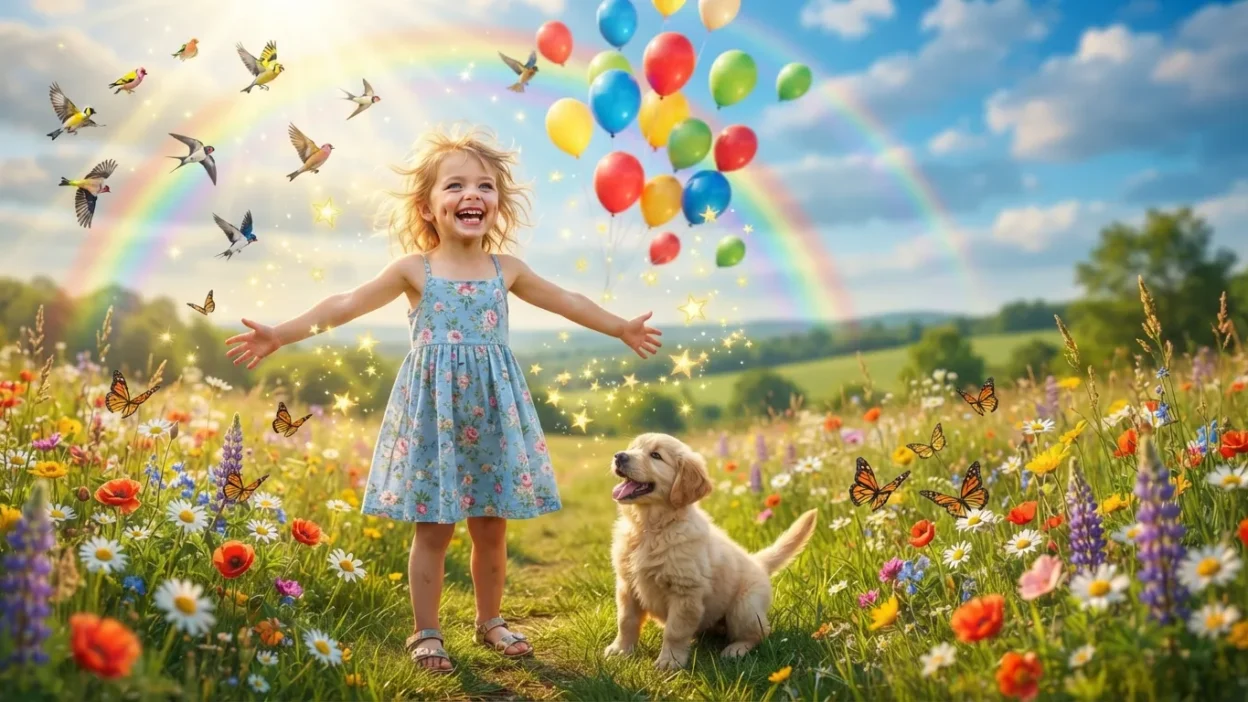
Have you ever struggled to describe someone who is happier than just “happy”? Maybe they are smiling nonstop, celebrating great news, or enjoying the best day of their life. Instead of repeating the same word, you can make your writing more colorful with similes for happy.
If you’ve ever wondered what is a simile, you’re in the right place. In simple terms, a simile compares two different things using the words like or as. These comparisons make emotions easier to picture and bring your writing to life.
In this guide, you’ll discover some of the best happy similes, learn the meaning of similes, and explore plenty of examples of similes for happy. You’ll also find simile sentences, writing tips, and fun practice ideas.
If you’re a student, teacher, parent, or writer, these creative writing similes will help you improve descriptive writing, expand your vocabulary, and understand how to use similes in writing with confidence.
Quick Answer:
Similes for happy compare happiness to something familiar using the words like or as. They help readers picture emotions instead of simply reading the word happy. For example, you might say “as happy as a clam,” “as happy as sunshine,” or “like a kid in a candy store.” These similes in English make stories, essays, poems, and conversations more vivid and engaging.
What Is a Simile?
If you’re asking what is a simile, the answer is simple.
A simile is a figure of speech that compares two different things using like or as. It helps readers imagine feelings, people, places, or objects more clearly.
For example:
- She was as happy as a bird in spring.
- He smiled like sunshine after the rain.
These simile examples create stronger images than ordinary sentences.
Instead of saying:
Sarah was happy.
You could write:
Sarah was as happy as a butterfly in a garden.
The second sentence paints a picture in the reader’s mind.
The meaning of similes is to make writing more expressive through comparison. They are one of the most common figurative language similes used in books, poems, speeches, and everyday conversations.
Why Use Similes for Happy?
Using similes for happy helps readers feel emotions instead of simply reading about them.
For example:
❌ Tom was happy.
✅ Tom was as happy as a puppy with a new toy.
The second sentence is much more memorable.
These happy comparison examples improve:
- Creative writing
- Storytelling
- Poetry
- School essays
- Speeches
- Social media captions
- Greeting cards
- Journals
They also help students develop better writing skills, stronger descriptive language, and a richer vocabulary.
Whether you’re learning English grammar, studying language arts, or practicing writing with similes, these comparisons make your work more engaging.
Simile vs. Metaphor
Many beginners confuse similes with metaphors. Here is an easy comparison.
| Simile | Metaphor |
| Uses like or as | Does not use like or as |
| She is as happy as sunshine. | She is sunshine. |
| Makes a comparison | Says something is something else |
| Easier for beginners | Often more advanced |
Both are types of figurative language, but similes make comparisons more directly.
How to Create Your Own Similes for Happy
Learning how to use similes in writing is easier than you think.
Follow these simple steps.
Step 1: Think About the Emotion
Ask yourself:
How happy is the person?
Step 2: Find Something That Shows Happiness
Examples include:
- Sunshine
- Birds
- Puppies
- Rainbows
- Butterflies
- Fireworks
Step 3: Compare Using “Like” or “As”
For example:
- As happy as a bird.
- Like fireworks in the sky.
Step 4: Keep It Simple
Good simple similes are easy to imagine.
Step 5: Read It Aloud
If it sounds natural, you’ve created a good simile.
Common Mistakes When Using Similes
Many beginners make small mistakes. Avoid these when using similes about happiness.
Using Too Many Similes
Too many comparisons can make writing confusing.
Choosing Difficult Comparisons
Readers should understand your comparison immediately.
Forgetting “Like” or “As”
Without these words, your sentence may become a metaphor instead.
Repeating the Same Simile
Instead of always saying as happy as a clam, try different happiness similes.
Making Comparisons That Don’t Fit
Choose comparisons that clearly match happiness.
Quick List of the 20 Similes for Happy
Before exploring each one, here is a helpful summary.
| Simile | Meaning |
| As happy as a clam | Peaceful and content |
| As happy as a child on Christmas morning | Extremely excited |
| As happy as a bird in spring | Cheerful and carefree |
| Like a kid in a candy store | Filled with excitement |
| As happy as sunshine | Bright and joyful |
| As happy as a dog with a new bone | Very pleased |
| As happy as a butterfly in a garden | Free and joyful |
| As happy as a fish in water | Comfortable |
| As happy as a bee among flowers | Busy and cheerful |
| As happy as a puppy with a new toy | Full of excitement |
| As happy as a king | Proud and satisfied |
| As happy as a flower in the sun | Thriving and joyful |
| Like fireworks in the sky | Bursting with joy |
| As happy as a squirrel with a full basket | Safe and content |
| As happy as a rainbow after rain | Happy after difficult times |
| As happy as laughter at a party | Full of fun |
| As happy as a camper | Relaxed and satisfied |
| Like stars shining at night | Bright and hopeful |
| As happy as music on a sunny day | Cheerful and uplifting |
| As happy as winning first prize | Extremely delighted |
Animal Similes for Happy
Animals often inspire some of the best creative writing similes because they are easy to imagine and relate to.
1. As Happy as a Clam
Meaning: Very peaceful and satisfied.
Why it works:
This is one of the most common similes in English. It describes someone who feels relaxed and content.
Best used when:
Someone feels calm after everything goes well.
Example Sentences:
- Emma was as happy as a clam after finishing her painting.
- Grandpa sat as happy as a clam beside the lake.
2. As Happy as a Dog with a New Bone
Meaning: Extremely pleased.
Why it works:
Dogs become excited when they receive a favorite treat.
Best used when:
Someone receives something they really wanted.
Example Sentences:
- Ben was as happy as a dog with a new bone after winning the match.
- She looked as happy as a dog with a new bone after opening her birthday gift.
3. As Happy as a Butterfly in a Garden
Meaning: Free, peaceful, and joyful.
Why it works:
Butterflies floating among flowers create a beautiful image of happiness.
Best used when:
Describing carefree moments outdoors.
Example Sentences:
- Lily danced as happy as a butterfly in a garden.
- The children played as happy as butterflies in a garden all afternoon.
4. As Happy as a Fish in Water
Meaning: Feeling comfortable and confident.
Why it works:
Fish naturally belong in water.
Best used when:
Someone feels completely at home.
Example Sentences:
- Sam felt as happy as a fish in water at his new school.
- She looked as happy as a fish in water during swimming practice.
5. As Happy as a Bee Among Flowers
Meaning: Busy but cheerful.
Why it works:
Bees enjoy collecting nectar while moving from flower to flower.
Best used when:
Someone happily works on something they love.
Example Sentences:
- Mom worked as happy as a bee among flowers in her garden.
- He was as happy as a bee among flowers while baking cookies.
Nature-Inspired Similes for Happy
Nature gives us some of the most beautiful similes with examples because everyone can picture them easily.
6. As Happy as Sunshine
Meaning: Bright, warm, and cheerful.
Why it works:
Sunshine often symbolizes hope, happiness, and positive energy.
Best used when:
Describing someone with a warm personality.
Example Sentences:
- Her smile was as happy as sunshine.
- The children felt as happy as sunshine during the picnic.
7. As Happy as a Bird in Spring
Meaning: Cheerful and carefree.
Why it works:
Birds sing joyfully during spring, making this one of the most popular similes about happiness.
Best used when:
Describing freedom and excitement.
Example Sentences:
- Mia skipped through the park as happy as a bird in spring.
- He sounded as happy as a bird in spring while singing.
8. As Happy as a Flower in the Sun
Meaning: Growing, thriving, and full of joy.
Why it works:
Flowers bloom best with sunlight.
Best used when:
Describing someone who is flourishing.
Example Sentences:
- Ella looked as happy as a flower in the sun.
- The little girl smiled as happy as a flower in the sun.
9. As Happy as a Rainbow After Rain
Meaning: Feeling joyful after a difficult time.
Why it works:
Rainbows symbolize hope after storms.
Best used when:
Talking about success after challenges.
Example Sentences:
- We were as happy as a rainbow after rain when the exams ended.
- She felt as happy as a rainbow after rain after hearing the good news.
10. Like Fireworks in the Sky
Meaning: Bursting with excitement and happiness.
Why it works:
Fireworks create bright, unforgettable celebrations.
Best used when:
Describing big achievements and celebrations.
Example Sentences:
- His heart felt like fireworks in the sky after hearing his name announced.
- They celebrated like fireworks in the sky after winning the championship.
Everyday and Fun Similes for Happy
The first ten similes for happy focused on animals and nature. Now, let’s explore more happy similes inspired by everyday life, celebrations, and joyful moments. These simile examples are easy to remember and perfect for stories, school assignments, conversations, and creative writing.
11. As Happy as a Child on Christmas Morning
Meaning: Extremely excited and full of joy.
Why it works:
Many children eagerly wait for Christmas morning, making this one of the most familiar examples of similes for happy.
Best used when:
Someone receives wonderful news or a special surprise.
Example Sentences:
- Liam was as happy as a child on Christmas morning when he got his new puppy.
- She looked as happy as a child on Christmas morning after opening her birthday gifts.
12. Like a Kid in a Candy Store
Meaning: Very excited and amazed.
Why it works:
A child surrounded by candy is filled with excitement and curiosity.
Best used when:
Someone discovers something they truly love.
Example Sentences:
- Jake was like a kid in a candy store at the toy shop.
- I felt like a kid in a candy store inside the bookstore.
13. As Happy as a Puppy with a New Toy
Meaning: Full of excitement and energy.
Why it works:
Puppies love exploring new toys with endless enthusiasm.
Best used when:
Someone receives a fun gift or starts an exciting adventure.
Example Sentences:
- Noah was as happy as a puppy with a new toy after getting his bicycle.
- The little girl laughed as happy as a puppy with a new toy.
14. As Happy as a King
Meaning: Proud, satisfied, and joyful.
Why it works:
Kings are often imagined enjoying success and comfort.
Best used when:
Someone achieves an important goal.
Example Sentences:
- Dad felt as happy as a king after finishing the house renovation.
- She walked onto the stage as happy as a king after winning first place.
15. As Happy as Winning First Prize
Meaning: Extremely delighted.
Why it works:
Winning first prize is a moment of excitement and pride.
Best used when:
Someone celebrates a major success.
Example Sentences:
- Maya was as happy as winning first prize after earning the scholarship.
- They looked as happy as winning first prize when the results were announced.
16. As Happy as a Camper
Meaning: Relaxed and completely satisfied.
Why it works:
Camping is often linked with fun, fresh air, and memorable experiences.
Best used when:
Someone feels comfortable and content.
Example Sentences:
- He was as happy as a camper during the summer holiday.
- They looked as happy as campers around the campfire.
17. As Happy as Music on a Sunny Day
Meaning: Cheerful and uplifting.
Why it works:
Music and sunshine together create a joyful atmosphere.
Best used when:
Describing positive moods and celebrations.
Example Sentences:
- The classroom felt as happy as music on a sunny day.
- She greeted everyone as happy as music on a sunny day.
18. Like Stars Shining at Night
Meaning: Bright with happiness and hope.
Why it works:
Stars shine beautifully, even in darkness.
Best used when:
Describing someone’s joyful expression.
Example Sentences:
- Her eyes sparkled like stars shining at night.
- The children smiled like stars shining at night after the performance.
19. As Happy as Laughter at a Party
Meaning: Full of fun and excitement.
Why it works:
Laughter is one of the clearest signs of happiness.
Best used when:
Talking about celebrations or family gatherings.
Example Sentences:
- Their voices were as happy as laughter at a party.
- Everyone looked as happy as laughter at a party during the reunion.
20. As Happy as a Squirrel with a Full Basket
Meaning: Safe, prepared, and content.
Why it works:
A squirrel with plenty of food has nothing to worry about.
Best used when:
Someone feels secure and satisfied.
Example Sentences:
- She felt as happy as a squirrel with a full basket after finishing her shopping.
- He smiled as happy as a squirrel with a full basket after reaching his savings goal.
When to Use Similes for Happy
Knowing how to use similes in writing is just as important as learning them. These similes for happy work well in many situations.
You can use them in:
- Creative writing stories
- School essays
- Poems
- Personal journals
- Speeches
- Greeting cards
- Social media captions
- Classroom activities
- Language arts lessons
- Everyday conversations
Using the right simile makes your writing more expressive and helps readers picture the emotion clearly.
Tips for Writing Better Similes
Want to create your own creative writing similes? Follow these easy tips.
- Compare happiness to something familiar.
- Use like or as correctly.
- Keep your comparisons simple.
- Choose images readers can easily imagine.
- Avoid using the same simile repeatedly.
- Read your sentence aloud to see if it sounds natural.
The more you practice writing with similes, the stronger your descriptive writing will become.
Practical Exercise: Test Your Knowledge
Try these activities to improve your understanding of similes for happy.
1. Fill in the blank.
She was as happy as a __________.
2. Choose the best answer.
Which simile means someone is extremely excited?
A. As happy as a fish in water
B. Like a kid in a candy store
C. As happy as a flower in the sun
3. Complete the sentence.
He felt as happy as a bird in __________.
4. Match the simile with its meaning.
| Simile | Meaning |
| As happy as a clam | A. Excited |
| Like fireworks in the sky | B. Peaceful and content |
| As happy as a rainbow after rain | C. Joy after difficult times |
5. Rewrite this sentence using a simile.
The girl was very happy.
6. True or False
A simile always uses like or as.
7. Which sentence contains a simile?
A. She is sunshine.
B. She is as happy as sunshine.
8. Create your own simile about happiness.
9. Which simile would you use after winning a competition?
10. Explain what is a simile in your own words.
Answers with Explanations
1. Clam (or another suitable simile.)
A clam represents peace and contentment.
2. B. Like a kid in a candy store
This simile shows excitement and joy.
3. Spring
Birds sing happily during spring.
4.
- As happy as a clam → B
- Like fireworks in the sky → A
- As happy as a rainbow after rain → C
5. Sample Answer:
The girl was as happy as a butterfly in a garden.
6. True
A simile compares two things using like or as.
7. B
Sentence B is a simile because it uses as.
8. Sample Answer:
As happy as fresh flowers after the rain.
9. Sample Answer:
As happy as winning first prize.
10. Sample Answer:
A simile compares two different things using like or as to make writing more interesting.
Frequently Asked Questions
What is a simile?
A simile is a comparison between two different things using the words like or as. It helps readers create vivid mental images.
What are some common similes for happy?
Popular happy similes include as happy as a clam, like a kid in a candy store, as happy as sunshine, and as happy as a bird in spring.
Why are similes important in writing?
They improve descriptive writing, make emotions easier to imagine, and keep readers engaged.
What is the difference between a simile and a metaphor?
A simile uses like or as, while a metaphor makes a direct comparison without those words.
Are similes good for kids?
Yes. Similes for kids are an excellent way to build vocabulary, improve creativity, and make writing more fun.
Can I create my own similes?
Absolutely. The best creative writing similes often come from your own experiences and imagination.
Where are similes commonly used?
You’ll find similes in English stories, poems, speeches, songs, novels, and everyday conversations.
How can I improve writing with similes?
Read more, practice writing simile sentences, and experiment with different similes for emotions in your daily writing.
Writing Challenge
Now it’s your turn.
Write five original similes for happy using things you see every day. For example, compare happiness to nature, animals, food, sports, or your favorite hobby. This simple exercise will improve your creativity, strengthen your writing skills, and help you feel more confident using figurative language.
Conclusion
Learning similes for happy is a simple way to make your writing more colorful, expressive, and engaging. Instead of repeating the word happy, you can use vivid comparisons that help readers picture emotions clearly. From as happy as a clam to like a kid in a candy store, these simile examples bring stories, essays, poems, and conversations to life.
Now that you understand the meaning of similes, have explored many examples of similes for happy, and learned how to use similes in writing, it’s time to create your own.
Keep practicing these creative writing similes, experiment with new ideas, and enjoy building stronger descriptive writing skills. The more you practice, the more natural and memorable your writing will become.

James Jason is a passionate language writer specializing in similes, idioms, metaphors, and figurative expressions. He creates clear, engaging, and educational content that helps readers understand language, improve communication, and enjoy the beauty of English.